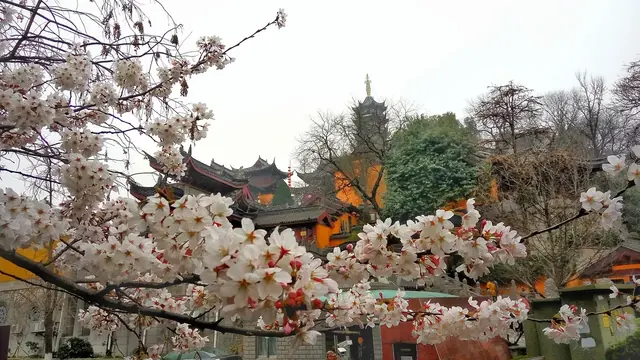
 01 / 09Spring Blossoms
南京 Nánjīng · Jiangsu, China
A motion guide to the city of purple and gold: 12 landmarks, 9 photo spots, 6 films, and two metro routes that tie them together.
南京 means Southern Capital.
A capital, on and off, from the 3rd century to 1949.
A mountain, a wall, a river of lanterns.
Purple Mountain · the Ming city wall · the Qinhuai River
Why purple and gold
East of the old city rises 紫金山, Zijin Shan: Purple-Gold Mountain. It is named for the purple and golden clouds said to gather on its peaks at dawn and dusk. Everything in this guide sits in that light.
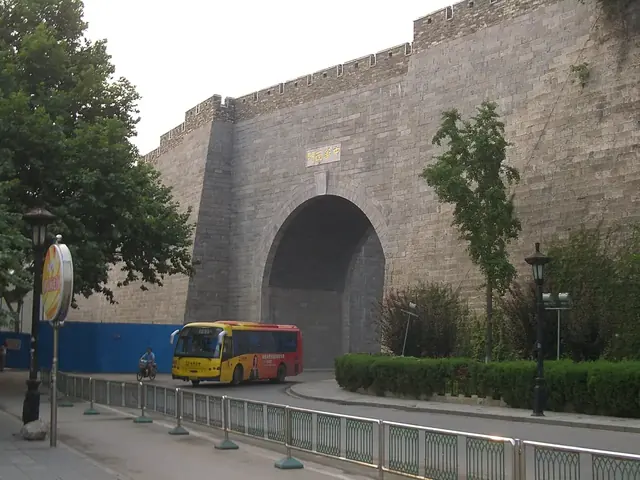
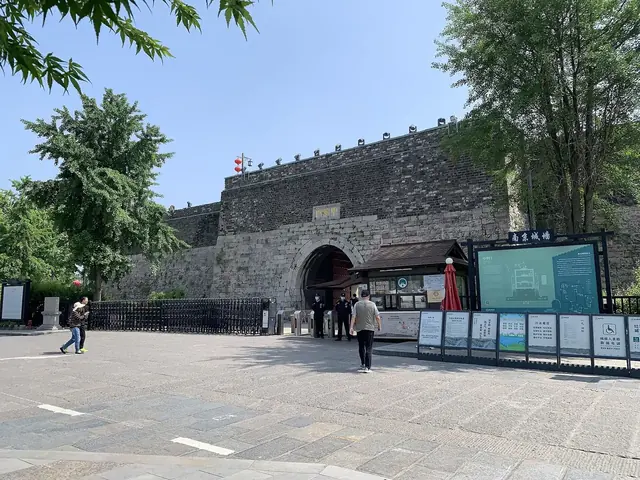
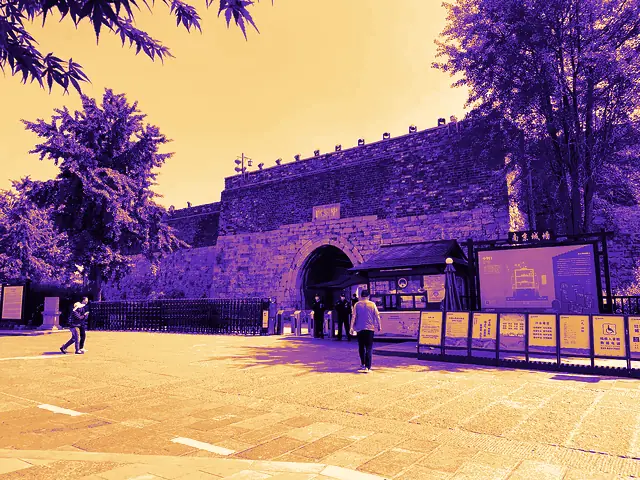
中华门 Zhonghua GateThree barbicans · four arched gates · 27 troop vaults
Inside the wall
Twelve places to start with.
Tombs, towers, temples and one river. Keep scrolling and the ring will turn.
01 · Attractions
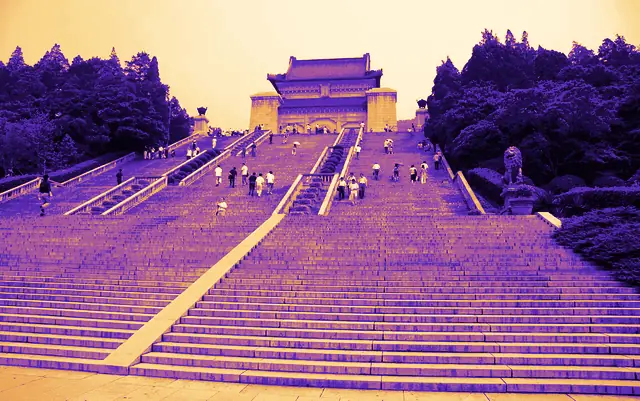
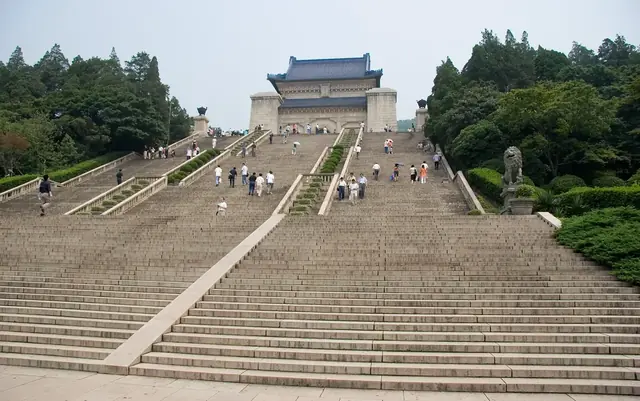 01Sun Yat-sen Mausoleum中山陵A monumental granite stairway climbing Purple Mountain to the resting place of the founder of the Republic of China.
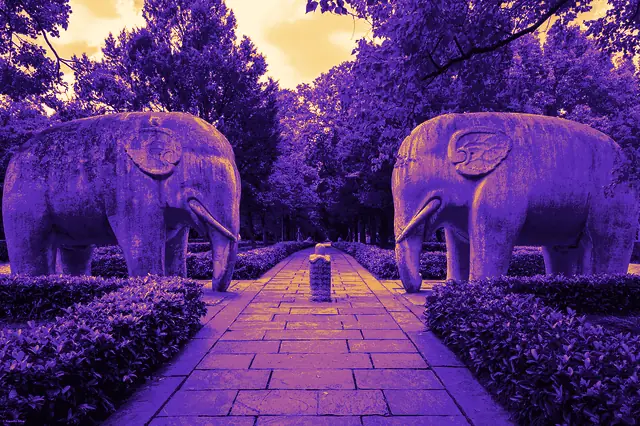
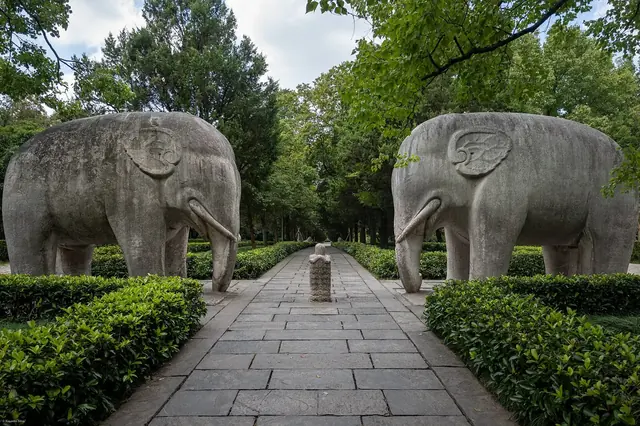 02Ming Xiaoling Mausoleum明孝陵The UNESCO-listed tomb of the Ming dynasty founder, approached along a winding avenue of stone animals.
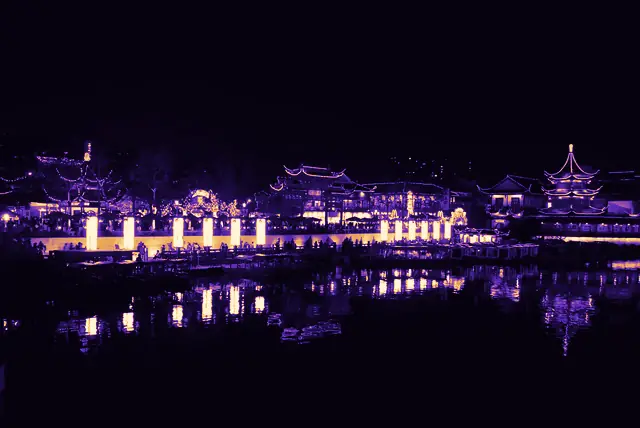
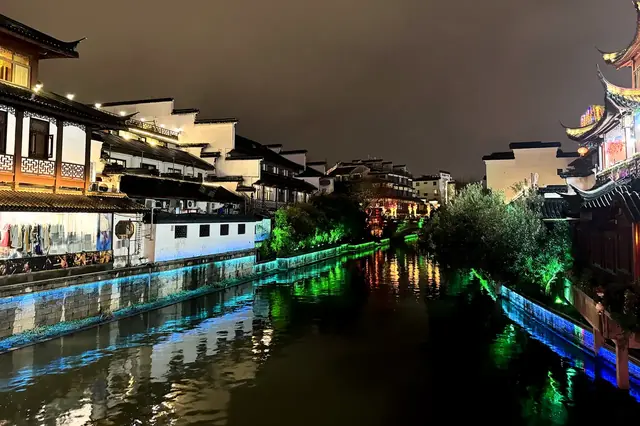
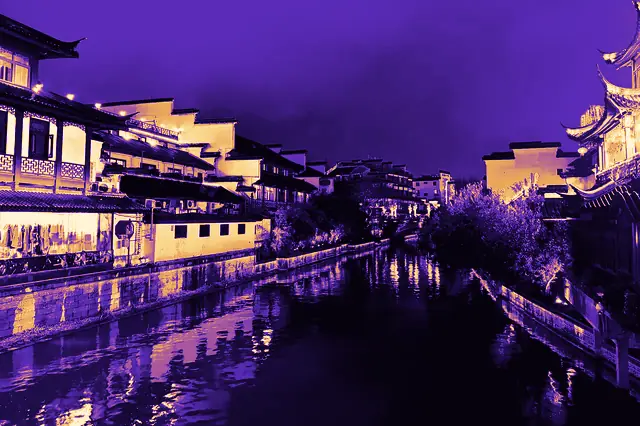
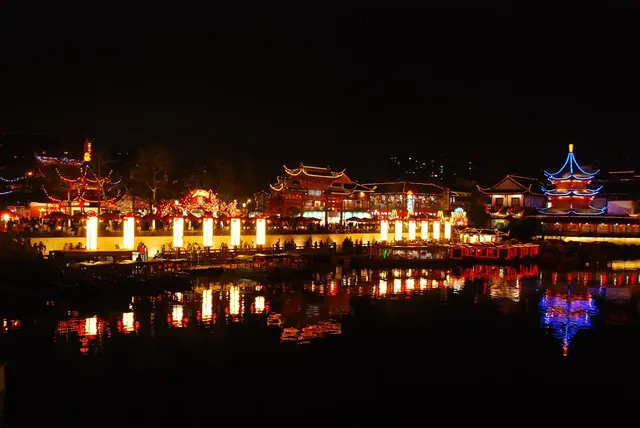 03Confucius Temple & Qinhuai River夫子庙与秦淮河Imperial examination halls and lantern-lit canals along Nanjing's historic cultural waterway.
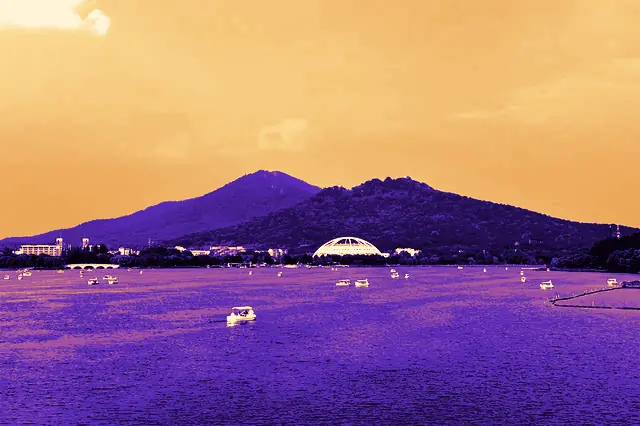
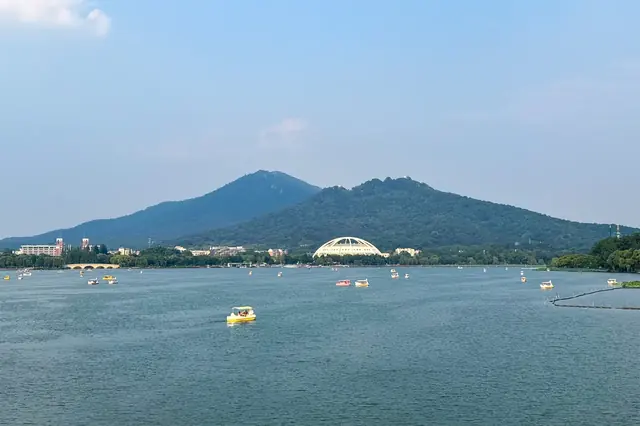 04Xuanwu Lake玄武湖Five bridge-linked islands bordered by the Ming City Wall and Purple Mountain in the heart of the city.05Nanjing City Wall & Zhonghua Gate南京城墙·中华门The largest surviving Ming masonry castle-gate complex, built with three barbicans and 27 hidden troop vaults.
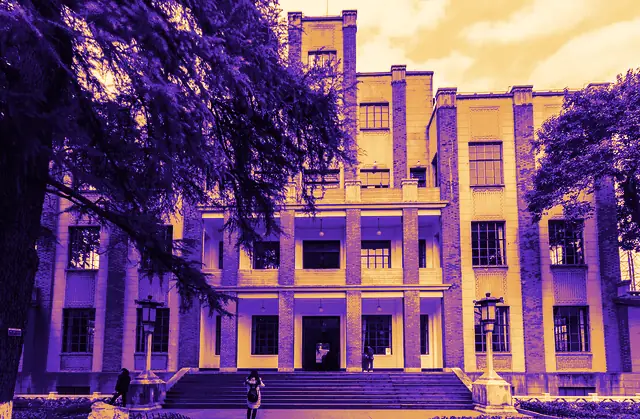
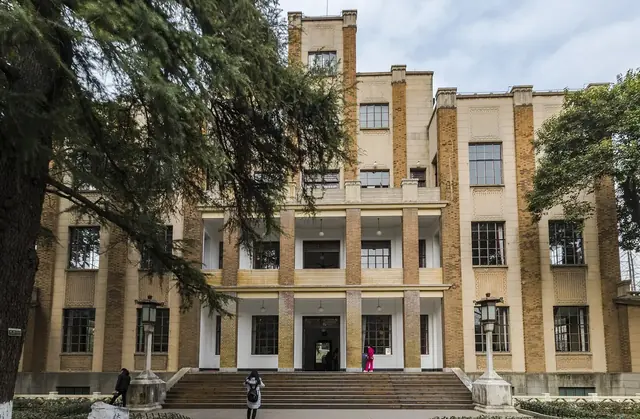 06Presidential Palace总统府Six centuries of Chinese political history inside one compound, from Ming manor and Taiping palace to the 1927 to 1949 Republican seat.
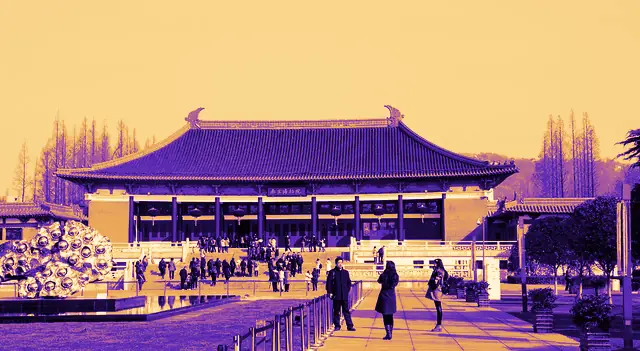
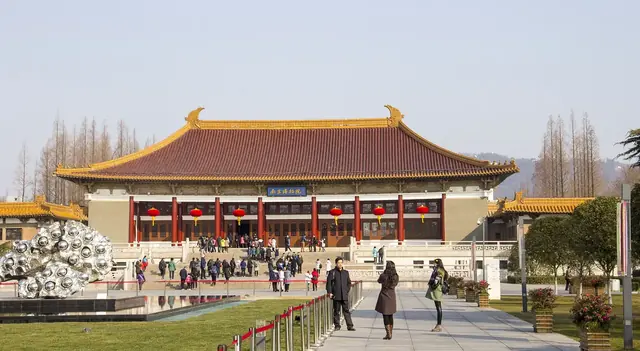 07Nanjing Museum南京博物院One of China's largest museums, holding over 400,000 objects including imperial Ming and Qing porcelain.
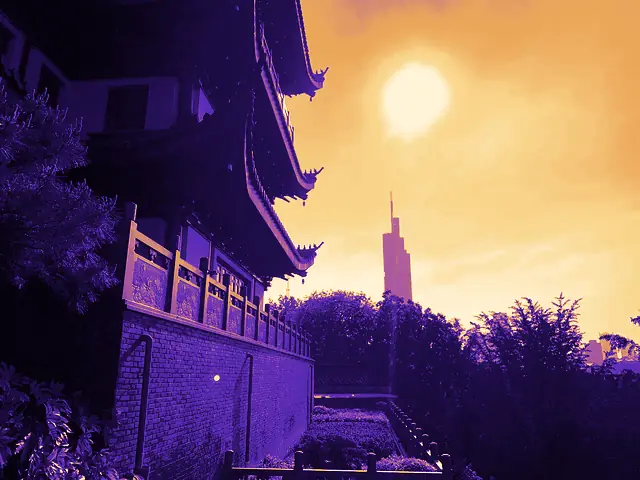
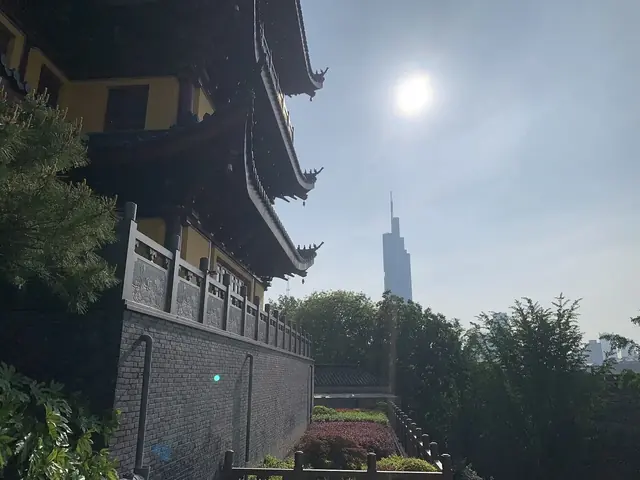 08Jiming Temple鸡鸣寺An ancient Liang-dynasty hillside monastery whose yellow walls and pagoda overlook Xuanwu Lake and the Ming battlements.
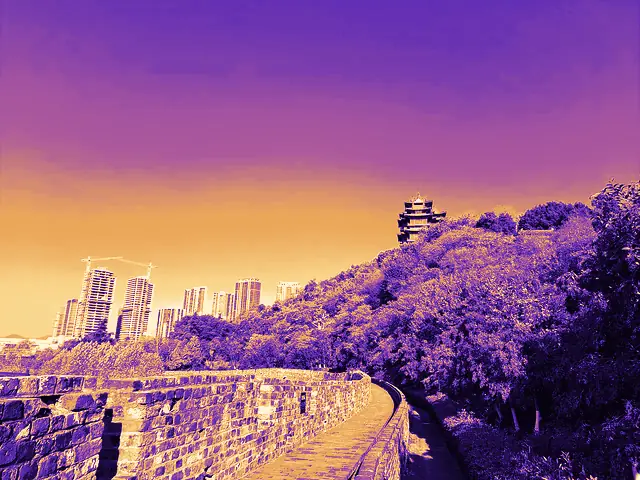
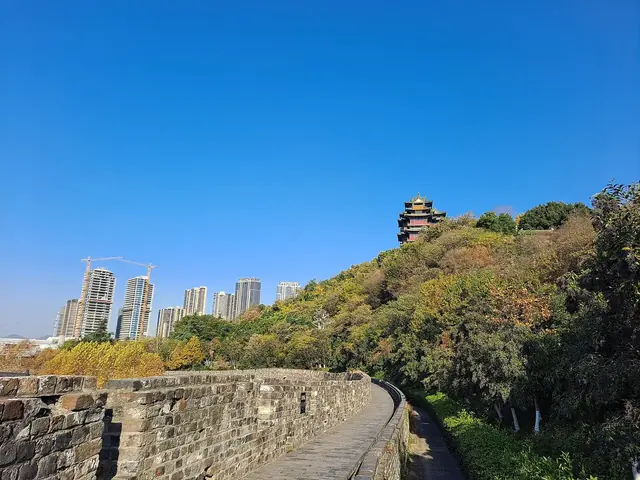 09Yuejiang Tower阅江楼Conceived by the Ming founder in 1374 and completed six centuries later atop Lion Mountain overlooking the Yangtze.
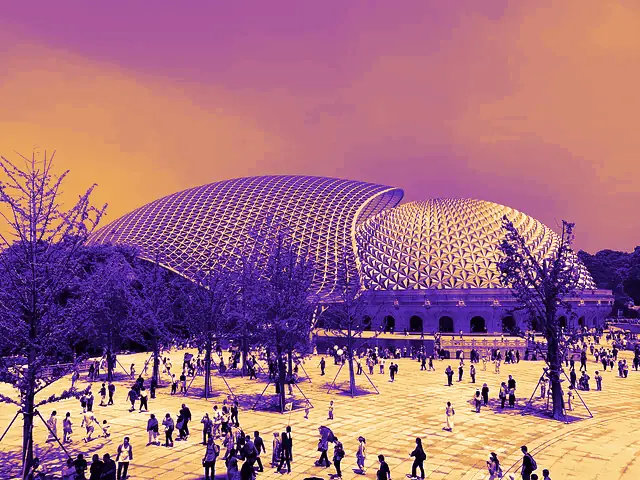
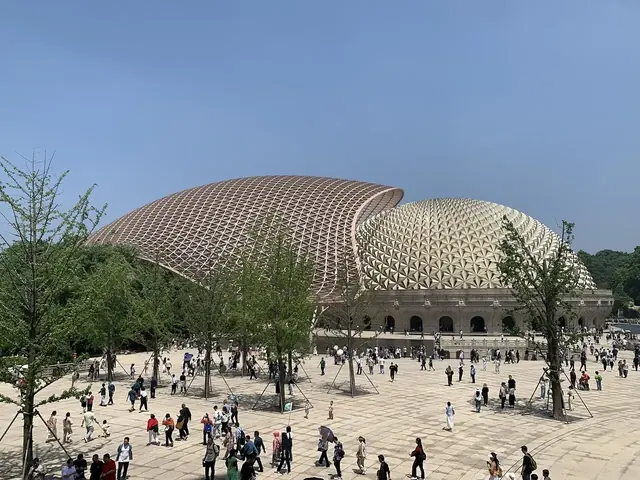 10Niushou Mountain Cultural Park牛首山Twin mountain peaks housing a six-story subterranean Buddhist sanctuary built inside a reclaimed mining pit.
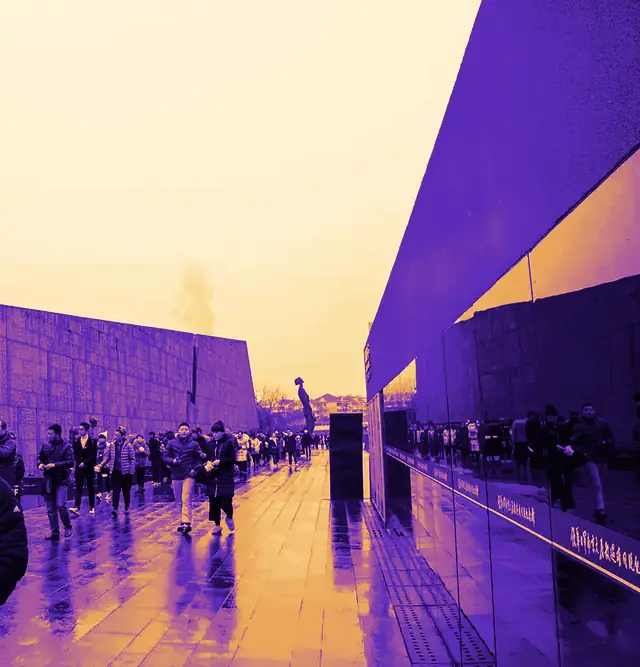
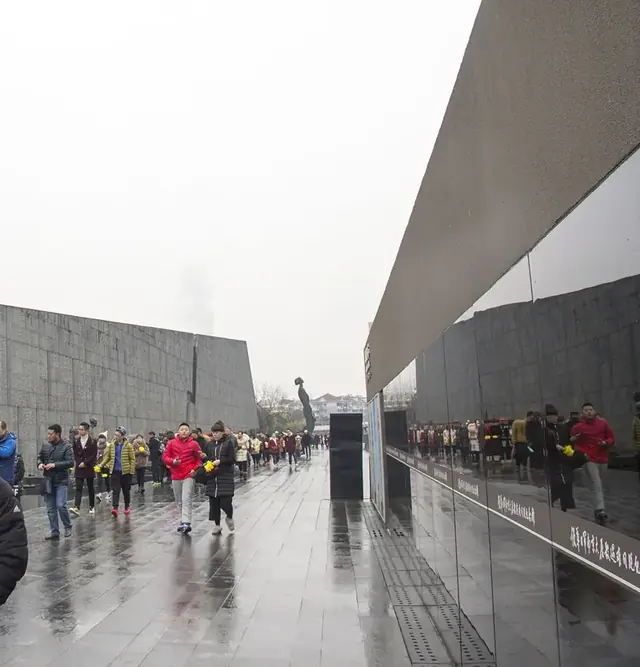 11Nanjing Massacre Memorial Hall侵华日军南京大屠杀遇难同胞纪念馆A stark architectural memorial built beside a 1937 mass burial site in Jiangdongmen to document the Nanjing Massacre.
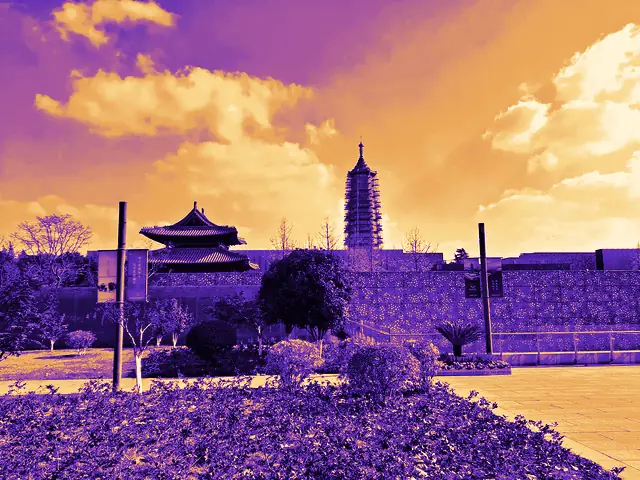
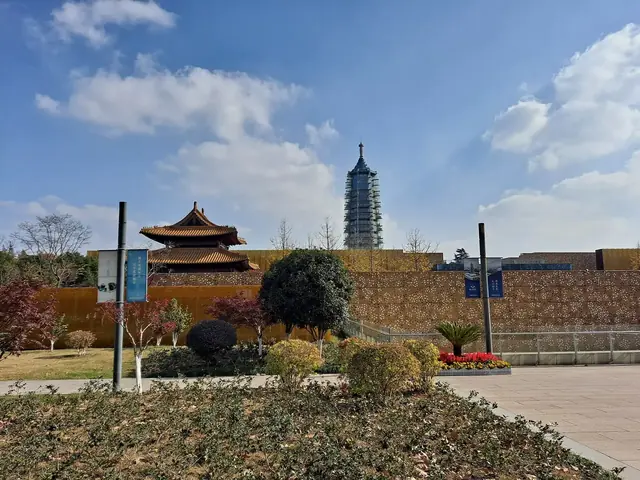 12Porcelain Tower & Great Bao'en Temple Park大报恩寺遗址公园The archaeological site of the 15th-century Ming Porcelain Tower, reimagined with a modern glass pagoda above its underground crypt.
Swipe sideways to browse. Tap a card for tickets, metro and timing.
All twelve in detail02 · Photo spots
Each one comes with the hour and the season that make it: blossoms in late March, lanterns at blue hour, plane trees in early December.
The full photo guide01 / 09Spring Blossoms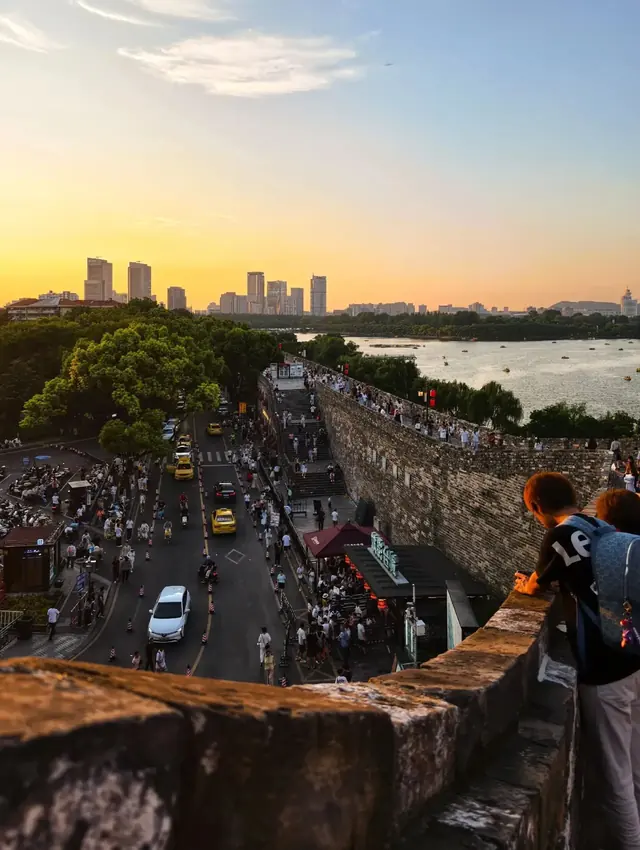
 02 / 09Sunrise
 03 / 09Sunset
 04 / 09Night & Blue Hour05 / 09Architecture & Mist
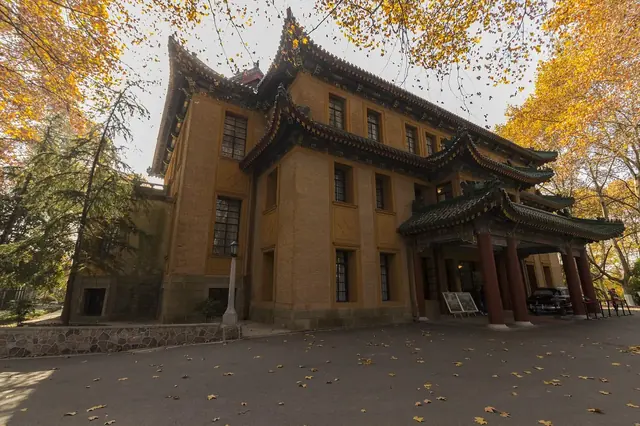
 06 / 09Late Autumn
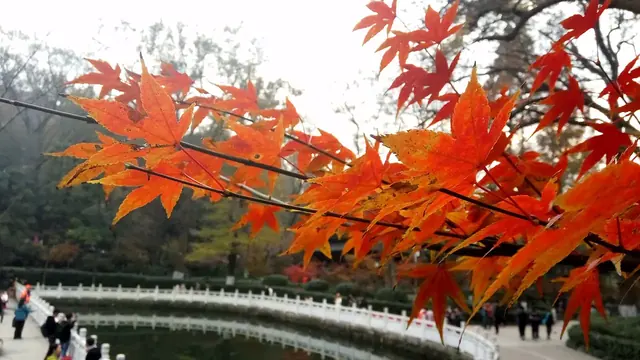
 07 / 09Red Maples
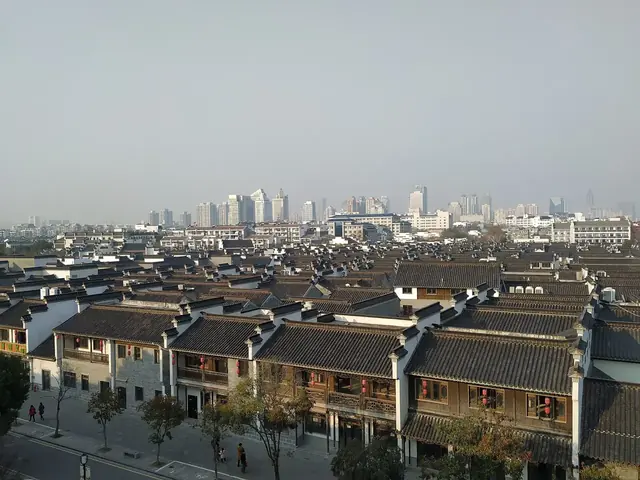
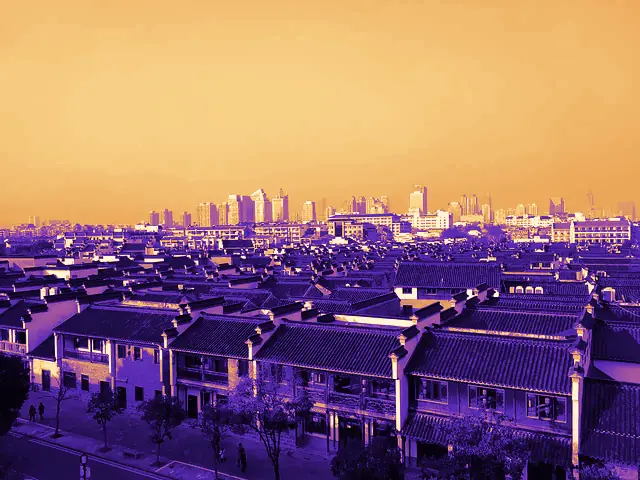 08 / 09Old South Dusk
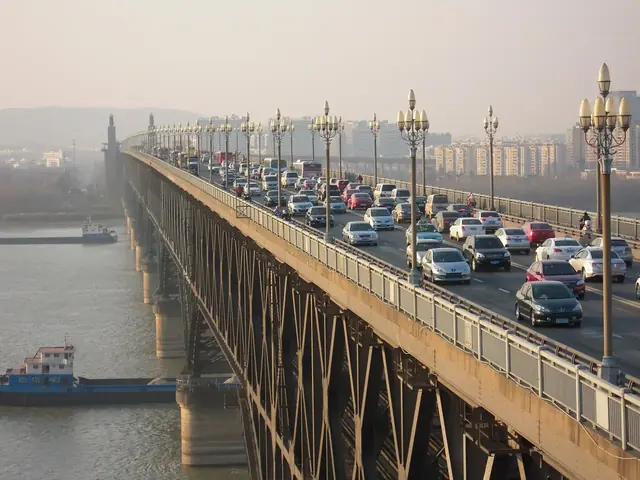
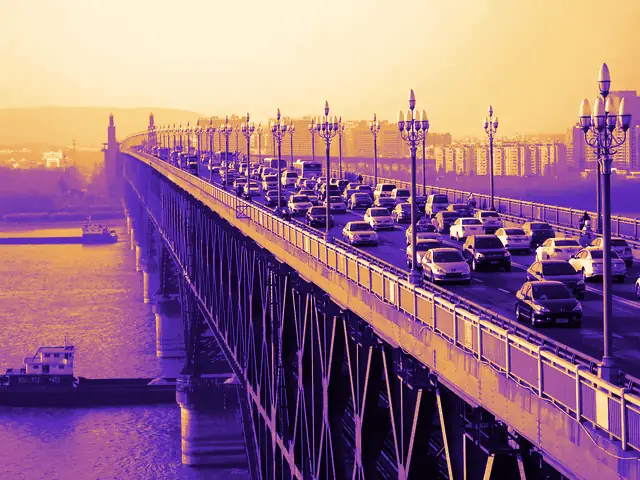 09 / 09Industrial Landmark
03 · Film locations
From handheld nights in the old streets to a wartime epic built on the edge of the city. Each entry says what was filmed in Nanjing and what you can still visit.
This guide shows no film stills. A story set in Nanjing is not always shot in Nanjing, so every entry says which is which.
All six, scene by scene04 · Metro routes
Six centuries from Ming imperial tombs and Republican landmarks to sunset battlements and lantern boats, all linked by Metro Lines 2, 3, and 1.
L2Muxuyuan 苜蓿园
Walk Elephant Road (Shixiang Lu) early while light filters through the trees.
L2Muxuyuan / Xiamafang shuttle
Climb the granite stairway across Purple Mountain (book your free timed reservation ahead; closed Mondays).
L2Minggugong 明故宫
A short ride west on Line 2; explore imperial porcelain and the Republic Hall (free reservation required; closed Mondays).
L2L3Daxinggong 大行宫
Two stops further west on Line 2; trace Taiping and Republican history inside the garden compound (closed Mondays).
L1Zhonghuamen 中华门
Transfer to Line 1 at Xinjiekou; arrive 1 hour before sunset to walk the battlements east toward Wuding Gate.
L3Fuzimiao 夫子庙
Catch blue hour on Wende Bridge around 18:30 to 19:00 and finish with a painted-boat cruise or Laomendong walk.
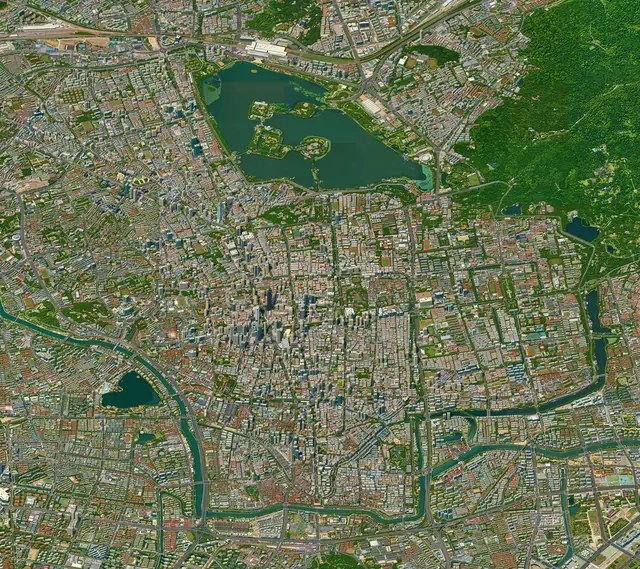
05 · Pixel map
An illustrated, zoomable pixel map of central Nanjing, drawn district by district. It is still growing.
Open the map06 · Before you go
Short answers on seasons, bookings and getting around. Rules change, so confirm with official channels before you travel.
Spring (late March to May) and autumn (late October to early December) offer Nanjing's mildest temperatures and clearest photographic seasons. Late March to early April brings cherry blossoms along Jiming Temple Road, while mid-November through early December peaks for crimson maples at Qixia Mountain and golden plane trees around Meiling Palace. Summers are hot and humid: Nanjing is traditionally grouped among the Yangtze's "Three Furnaces," with a plum-rain season from mid-June through July.
Two to three full days cover Nanjing's core historic layers without rushing. One day is enough for a Purple Mountain to Presidential Palace to Qinhuai River loop, two days add Xuanwu Lake, Nanjing Museum, and the Zhonghua Gate wall at sunset, and a third day leaves room for Niushou Mountain, Yuejiang Tower, or a seasonal foliage detour to Qixia Mountain.
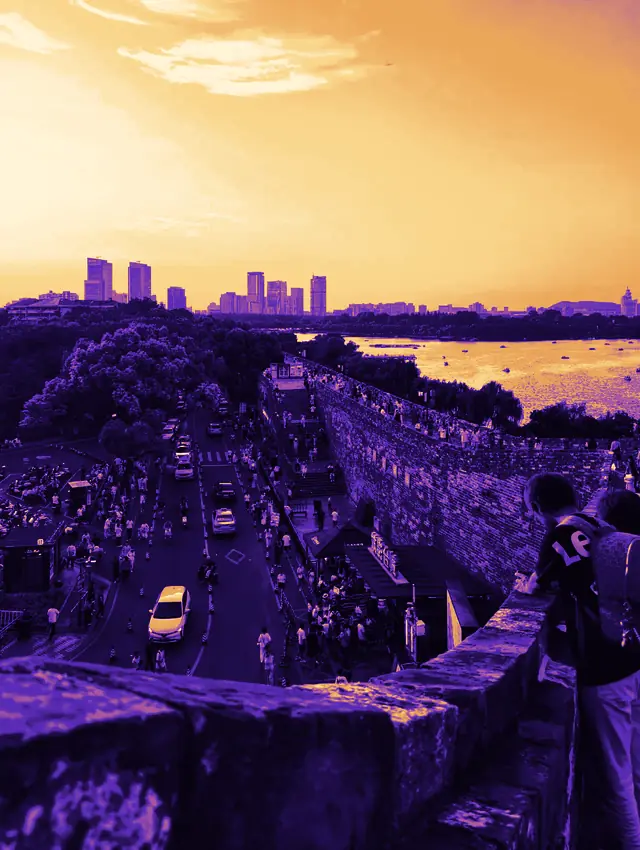
The southern Ming City Wall between Zhonghua Gate (Zhōnghuámén, 中华门) and Wuding Gate is Nanjing's premier sunset viewpoint. Arrive about one hour before local sunset so you catch warm golden-hour light raking across the 600-year-old bricks, tiled roofs of Old City South, and modern towers on the horizon.
The cherry blossom season along Jimingsi Road 鸡鸣寺路 typically begins in mid-March and reaches peak bloom in late March through early April. The short avenue outside the temple is free to walk, and arriving between 06:00 and 09:00 on a weekday gives you softer morning light and far thinner crowds.
Verified feature films shot on location in Nanjing include Lou Ye's Spring Fever (2009) and Blind Massage (2014), Zhang Yimou's The Flowers of War (2011, filmed at the Shiqiu Film Base in Lishui District), Zhao Wei's So Young (2013, shot on Nanjing university campuses), Wu Jing's Wolf Warrior (2015, including Sun Yat-sen Mausoleum), and Mo Sha's Love Will Tear Us Apart (2021). By contrast, Lu Chuan's City of Life and Death (2009) is set in Nanjing in 1937 but was shot largely on sets built elsewhere, with filming beginning in Tianjin. Setting and filming location are not always the same.
The Nanjing Metro is the fastest way between major sights, with 16 operating lines connecting urban districts and suburban hubs. Line 2 links Purple Mountain (Muxuyuan, Xiamafang), Nanjing Museum (Minggugong), Presidential Palace (Daxinggong), and the Memorial Hall (Yunjinlu); Line 1 serves Xuanwu Lake and Zhonghua Gate; Line 3 connects Jiming Temple and Fuzimiao; and Line 5 (Xiaguan Station) brings you close to Yuejiang Tower.
Yes. Even free headline sites including Sun Yat-sen Mausoleum, Nanjing Museum, and the Nanjing Massacre Memorial Hall require advance real-name reservations, typically booked up to seven days ahead via their official WeChat mini-programs using passport details for international visitors. Most major museums and mausoleums, including Sun Yat-sen Mausoleum, Nanjing Museum, the Presidential Palace, and the Memorial Hall, are closed on Mondays except statutory public holidays, so always verify schedules before going.
Nanjing's local saying "Spring Niushou, Autumn Qixia" points to Qixia Mountain 栖霞山 as the top autumn spot, peaking from late November through the first week of December for red maples against Qixia Temple's yellow walls. Inside the city, Ming Xiaoling's Elephant Road ginkgoes typically peak in mid-to-late November, while Meiling Palace's golden plane-tree "necklace" peaks from late November to mid-December.
Aim for 18:30 to 21:00 along Wende Bridge or Dongyuan Bridge near Confucius Temple (Fuzimiao). District lights generally switch on around 19:00, so arriving for blue hour around 18:30 to 19:00 lets you balance the illuminated red lanterns and painted boats against a deep cobalt sky rather than flat black.
nanjing.one
Nanjing, the One.